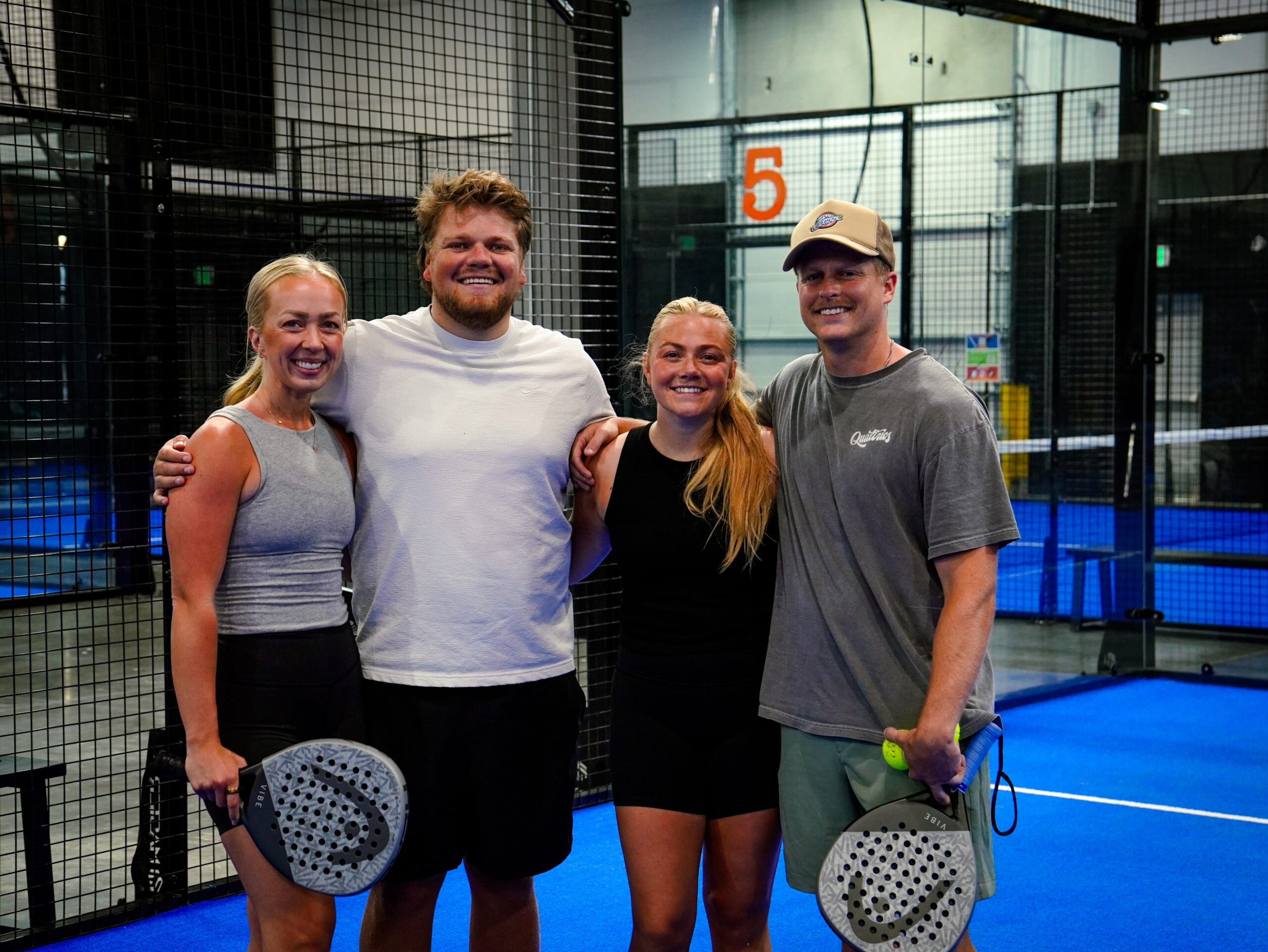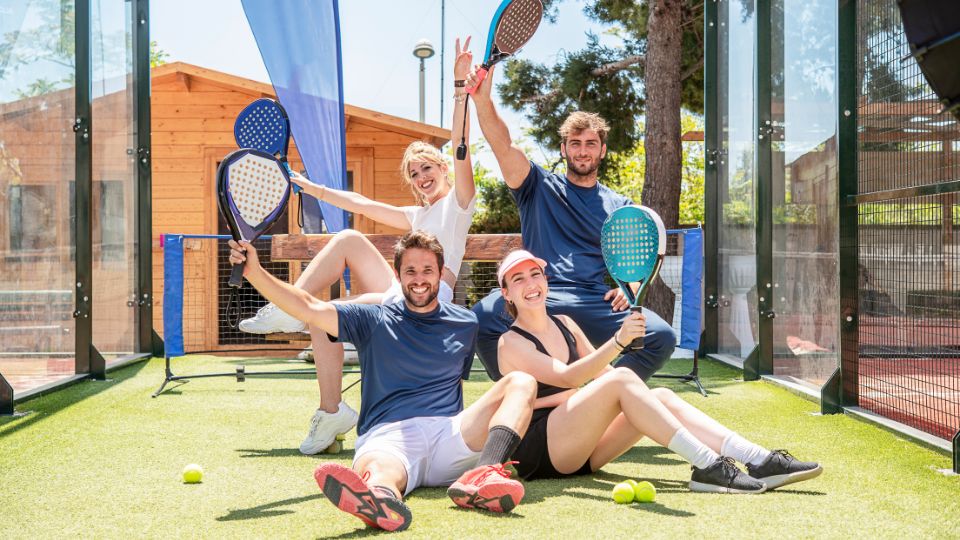
Originating in Mexico in 1969, padel has grown to become the world’s second-most popular sport by participation, with over 25 million players globally. It’s now expanding rapidly across the United States, including right here in Utah, where Padel Den USA will open its doors as Utah County’s first dedicated padel facility in February 2026.
If you’re curious about padel, you’re not alone. Search interest for “padel tennis Utah” has grown consistently as Utahns discover this social, accessible, and addictive sport. Whether you’re a tennis player looking for a new challenge, a pickleball enthusiast seeking the “next level,” or someone seeking a fun way to stay active and connect with others, padel offers something unique.
This guide covers everything you need to know about padel in Utah, from where to play and what to expect as a beginner, to how much it costs and why it’s capturing the attention of athletes worldwide.
What Makes Padel Different from Other Racquet Sports
Padel occupies a unique space in the racquet sports world. It combines familiar elements from tennis while introducing features that create its signature gameplay. Understanding these differences helps newcomers appreciate what makes padel special.
Court Size and Surface
A standard padel court measures 10 meters wide by 20 meters long. This is roughly one-quarter the size of a tennis court but substantially larger than a pickleball court. This medium-court size creates the perfect balance.
Players cover enough ground to get a genuine workout. Rallies remain satisfying rather than exhausting. The court surface is artificial grass or similar synthetic material. This provides consistent bounce and excellent footing for the quick directional changes padel demands.
The Enclosed Court
The defining feature of padel is its enclosed environment. Three-meter-tall glass walls at the ends and four-meter-tall walls on the sides create the characteristic “cage.” These walls remain in play throughout rallies. The ball can bounce off walls, be played after wall rebounds, and create angles impossible in open-court sports.
This wall support is great for beginners. The ball stays in play longer. Rallies extend naturally. Even imperfect shots often result in play rather than immediate points for opponents.
Equipment Differences
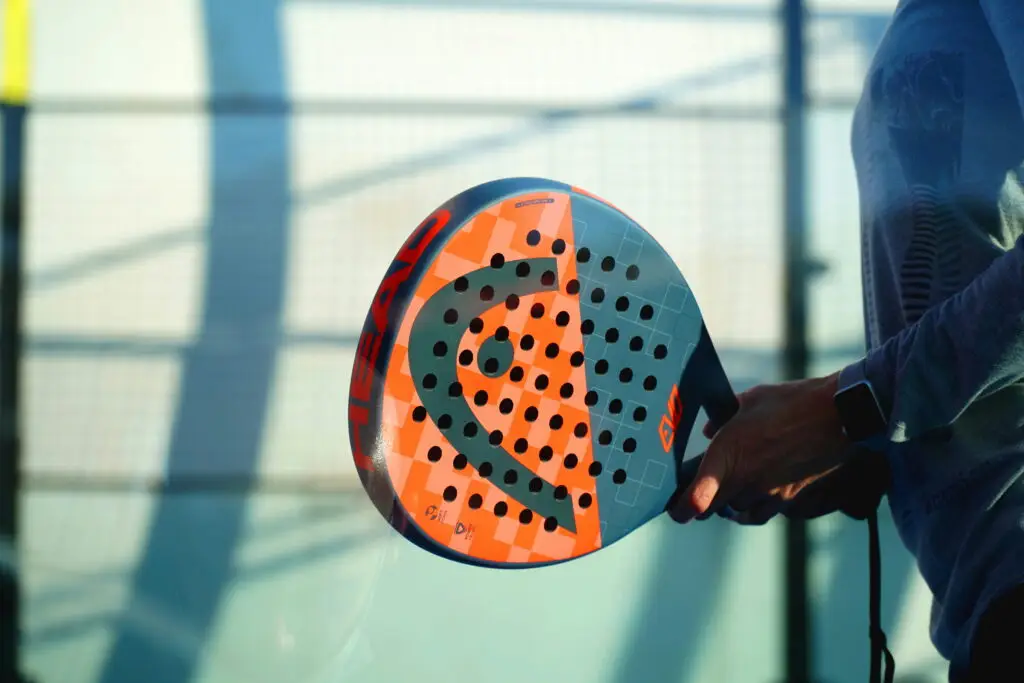
Players use solid paddles with circular perforations. These typically weigh 350-400 grams with generous “sweet spots.” This makes clean contact easier than with tennis rackets. The balls are depressurized tennis balls. They look identical to regular tennis balls but have lower internal pressure. This creates lower bounce and longer rally potential.
This forgiving equipment means beginners can enjoy satisfying play from their first session.
The Doubles Format
Padel’s doubles-only format (always two-on-two) creates its famously social atmosphere. Unlike tennis or pickleball, which can feel isolating in singles, padel inherently involves teamwork and shared experience. Partners develop chemistry and celebrate points together.
The Growth of Padel in the United States
Padel’s American story is just beginning, but the trajectory is unmistakable.
In 2019, fewer than 20 padel courts existed across the entire United States. By 2024, that number had grown to over 650. Projections suggest 30,000 courts and 10 million players by 2030, according to the U.S. Padel Association (USPA).
Several factors explain padel’s American emergence:
Social appeal. The sport’s doubles-only format appeals to Americans seeking community-based activities.
Accessibility. It’s easier to learn than tennis and more dynamic than pickleball. This attracts players from diverse racquet sport backgrounds.
Celebrity involvement. Athletes like Paul Pogba and musicians like Maroon 5’s Adam Levine have elevated padel’s visibility.
Premium experiences. Padel facilities offer climate-controlled environments, professional courts, and community amenities.
For Utah specifically, padel represents an exciting addition to the state’s athletic landscape. Utah’s culture of outdoor fitness, family activities, and community engagement aligns perfectly with padel’s values.
With Padel Den USA opening in Orem and SLC Padel Club already operating in Woods Cross, Utah is positioned to become a regional hub for padel in the Mountain West.
Where to Play Padel in Utah: Current Options and Coming Attractions
Utah’s padel landscape is evolving rapidly. Understanding current facilities helps newcomers try the sport.
SLC Padel Club (Woods Cross)
SLC Padel Club opened as Utah’s first dedicated padel facility. It features four indoor courts and programming for all skill levels. Located at 3085 S Wall Ave in Woods Cross (just north of Salt Lake City), the club offers court rentals, lessons, and social play.
Victory Ranch (Near Park City)
Victory Ranch offers padel courts for members. It provides access for those in the Park City and Summit County areas. While not a dedicated padel facility, Victory Ranch’s inclusion of padel shows the sport’s appeal to upscale clubs.
Padel Den USA (Orem) – Coming February 2026
Padel Den USA will open in February 2026 as Utah County’s first dedicated padel facility. It will bring premium courts, expert coaching, and competitive leagues to the heart of Utah County.
Located in Orem with easy access from Provo, Pleasant Grove, and surrounding communities, Padel Den will fill a significant geographic gap. Over 600,000 residents of Utah County will have convenient access without requiring trips to Salt Lake City.
For additional options, padel courts continue expanding throughout the Mountain West. Denver, Las Vegas, and Boise all offer facilities. New projects are announced regularly.
Padel Court Dimensions and Layout: What Makes the Game Work
Understanding padel’s court layout illuminates why the sport plays the way it does.
Standard Dimensions
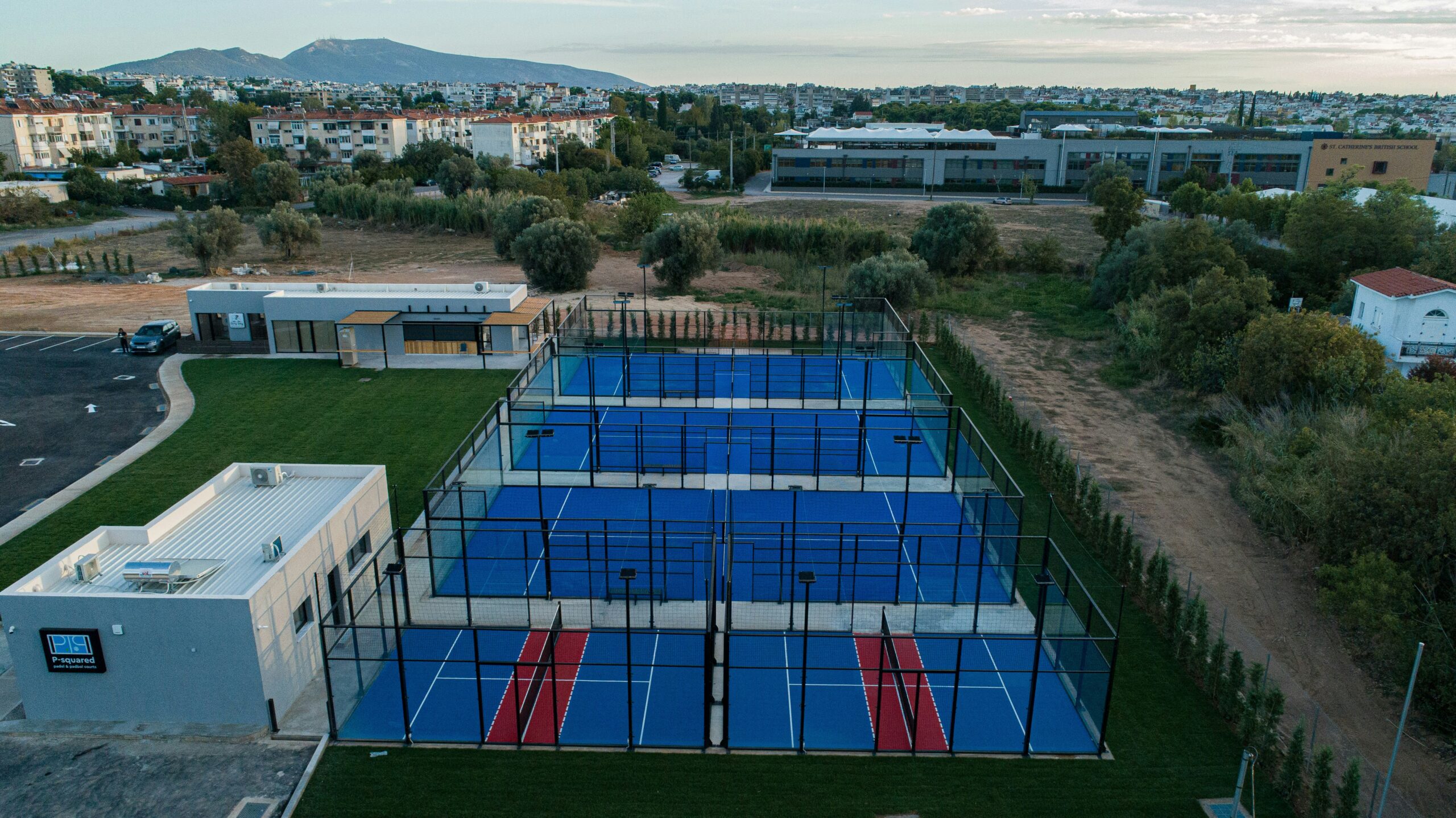
A standard padel court measures exactly 10 meters wide by 20 meters long. This creates a playing area approximately 200 square meters, roughly 25% the size of a tennis court. Players cover meaningful ground during matches, typically 3-5 kilometers per hour of play.
The court surfaces use artificial grass or synthetic turf. This provides consistent ball bounce and excellent traction for the lateral movements padel demands. Artificial surfaces offer reliable play conditions year-round with minimal upkeep.
The Net
The net spans the full court width at center. It stands 88 centimeters high at the center (slightly lower than tennis’s 91.4 centimeters) and 93 centimeters at the posts. This lower net height facilitates the quick, dynamic exchanges that characterize padel play.
The Walls
Walls define padel’s unique character. The end walls stand 3 meters tall. Side walls reach 4 meters. Made of transparent tempered glass, these walls allow spectators to watch while remaining safe for play.
Most critically, the walls remain in play throughout rallies. When the ball bounces off a back wall or side wall, players can play it directly (after one bounce on the court) or hit it after it rebounds from the wall.
Essential Padel Rules Every Beginner Should Know
Padel shares scoring conventions with tennis while featuring unique rules adapted for wall play and doubles format.
Scoring System
Padel uses tennis’s familiar 0-15-30-40-game scoring. Games are won by the first team to reach four points with at least a two-point lead. Sets are won by the first team to win six games with a two-game margin. Matches typically use a best-of-three format at recreational levels.
The Deuce Rule
At 40-40 (deuce), padel offers two scoring options. The traditional method follows tennis. Teams play advantage points, with the serving team needing two consecutive points to win.
The “Golden Point” method is increasingly common. It awards the game to whichever team wins the next point regardless of side. This is simpler and faster.
Serving Rules
The server must bounce the ball and hit it below waist level. They serve diagonally into the opponent’s service box. The ball must land in the correct service box without touching the net.
Unlike tennis, the ball can bounce off the side wall after landing in the correct service area. This adds strategic serving options unique to padel.
Wall Play Rules
Players may hit the ball after it bounces off any wall (back or side) without the ball touching the court first. However, the ball cannot be played directly off the side wall on a volley. The first contact after hitting the side wall must be with the ground.
Padel Equipment: What You Need to Get Started
While dedicated padel equipment exists, beginners can easily get started with minimal investment.
Paddles
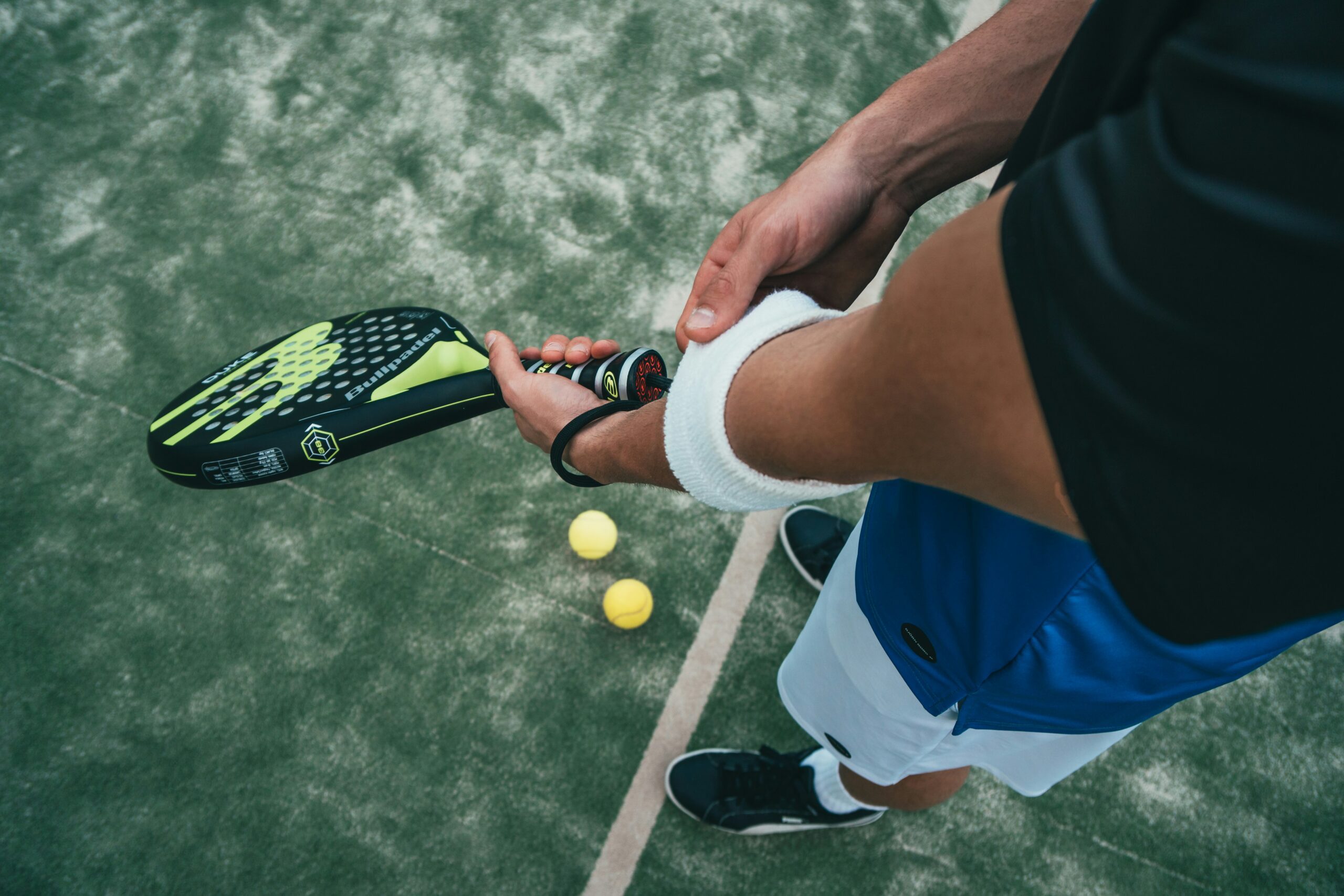
Padel paddles are solid with circular perforations. They typically measure 4.5-5 inches wide by 10-11 inches long. Weights range from 350-400 grams.
- Round paddles offer more control and forgiveness, ideal for beginners
- Diamond shapes provide more power at the cost of some control
Quality padel paddles range from $80-$300. Beginners typically start with control-oriented models in the $100-$150 range.
Balls
Padel uses depressurized tennis balls. They look identical to standard tennis balls but have lower internal pressure. This creates the lower bounce and longer rallies characteristic of padel.
Fresh balls matter for play quality. Old balls don’t bounce consistently. Most facilities provide balls for court rental. Personal balls cost $6-10 per can.
Footwear
Proper padel shoes feature gum rubber soles designed for artificial grass surfaces. They provide the traction needed for quick lateral movements without damaging court surfaces.
Quality padel shoes range from $80-$150. Tennis shoes can work temporarily, but dedicated padel shoes significantly improve performance and safety.
The Social and Community Aspects of Padel
Padel’s doubles-only format creates its famously social atmosphere.
Teamwork and Communication
The inherent teamwork of doubles padel means players always share the court with a partner. Communication becomes essential. Players call balls, coordinate positioning, and support each other through good and bad points. This builds connections quickly.
Accessibility for All Abilities
The skill accessibility of padel means players of different abilities can compete together. Unlike tennis, where skill gaps often result in one-sided matches, padel’s wall support and extended rallies allow mixed-ability pairs to enjoy competitive games.
Community Building
Padel facilities worldwide are known for their community atmospheres. Clubs host social events, mixers, and celebrations that extend beyond competitive play. The sport attracts people seeking activities that combine fitness with social connection.
For Utah, this community aspect aligns perfectly with local culture. Utahns value family, friendship, and community activities. Padel Den USA will emphasize community spaces and programming that brings members together beyond court time.
Health Benefits of Playing Padel
Beyond its social appeal, padel offers significant health benefits.
Cardiovascular Fitness
Padel provides genuine aerobic exercise. Players cover 3-5 kilometers during typical matches. Constant movement elevates heart rate and improves cardiovascular health. Racquet sports consistently show superior cardiovascular benefits compared to many other exercise forms.
Full-Body Workout
Padel engages multiple muscle groups simultaneously. Lower-body movement builds leg strength. Core rotation develops abdominal and back muscles. Arm and shoulder engagement develops upper body fitness.
Calorie Burning
A typical hour of padel burns 400-700 calories. This makes padel an efficient option for those seeking exercise that doesn’t feel like “exercise.”
Mental Health Benefits
The social nature of doubles padel provides mental health benefits through connection. The focused attention during play creates a “flow state” that provides mental respite from daily stresses.
Low-Impact Exercise
Despite being active, padel is relatively low-impact. The artificial grass surfaces absorb shock. The game’s stop-start nature reduces joint stress compared to continuous impact activities.
Padel Den USA: Utah County’s Premier Padel Destination
As Utah County’s first dedicated padel facility, Padel Den USA represents an exciting development for padel enthusiasts.
Location and Accessibility
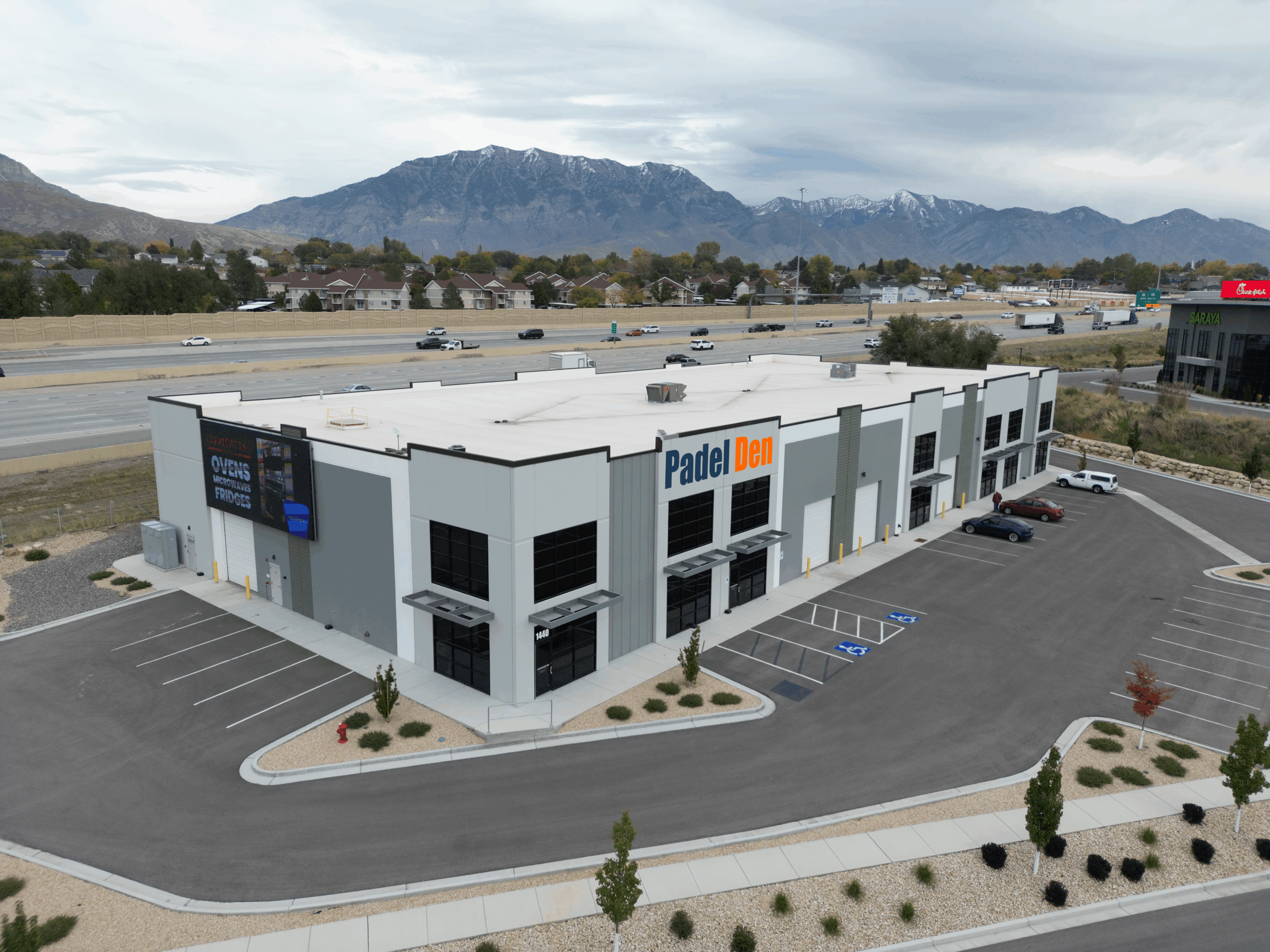
Padel Den USA will operate from a convenient Orem location. It will serve residents of Orem, Provo, Pleasant Grove, Vineyard, Lindon, and surrounding communities. Over 600,000 Utahns will have convenient access without driving 30-60 minutes to existing facilities.
Facility Features
- Multiple indoor courts designed to International Padel Federation specifications
- Climate control for consistent comfort year-round
- Professional lighting for extended evening play
Programming and Coaching
Expert coaching programs will serve all skill levels. Structured lessons and clinics will help players develop skills efficiently. Professional instructors will provide personalized guidance.
League and Competitive Play
Padel Den will offer league play and tournaments. Competitive programming creates structure for regular play and builds community through team-based competition.
Community and Social Spaces
Beyond courts, Padel Den will feature community areas where members connect. These spaces will host social events and member gatherings.
Founding Membership
Padel Den is currently offering founding membership opportunities. Early adopters receive exclusive benefits including priority court booking, discounted rates, and recognition as pioneers in bringing padel to the region. Get 30 days of unlimited play for $1!
Frequently Asked Questions About Padel in Utah
Where can I play padel in Utah currently?
Currently, SLC Padel Club in Woods Cross (3085 S Wall Ave) offers Utah’s most established padel facility with four indoor courts. Victory Ranch near Park City provides padel access for members. Padel Den USA will open in February 2026 as Utah County’s first dedicated facility, dramatically expanding access for residents of Orem, Provo, and surrounding communities.
How much does padel cost in Utah?
Court rental costs vary by facility and time of day. At SLC Padel Club, typical rates range from $50-80 per hour per court (split four ways for doubles play, making it $12-20 per person per hour). Membership models at various facilities offer reduced rates for regular players. Padel Den USA will offer competitive pricing with founding membership discounts available for those who sign up before opening.
Do I need to bring a partner to play padel?
Padel is always played in doubles, but most facilities help match solo players with partners for social play. If you arrive without a partner, staff will typically pair you with other solo players or assign you to teams with experienced players who can guide newcomers through their first session. Padel Den USA will offer partner-matching services and beginner-friendly sessions designed for those trying the sport alone.
Is padel good for beginners?
Absolutely, padel is widely considered one of the most beginner-friendly racquet sports. The forgiving equipment (large sweet spot paddles, lower-bounce balls), wall support (keeping balls in play longer), and doubles format (sharing court coverage with a partner) all contribute to immediate satisfaction for new players. Most beginners can enjoy extended rallies from their first session, building confidence and skills progressively.
What should I wear to my first padel session?
Wear comfortable athletic clothing appropriate for active movement. Tennis-style clothing works well, such as comfortable shorts or leggings, moisture-wicking shirts, and athletic socks. Court shoes (tennis or padel-specific) with non-marking soles are essential for safety and performance. If you don’t have court shoes, clean sneakers with non-marking soles will work for an introductory session.
How is padel different from pickleball?
While both are growing racquet sports, padel and pickleball differ significantly. Padel uses a larger court (10m x 20m vs. pickleball’s 6.1m x 13.4m), walls that remain in play, solid perforated paddles, and depressurized tennis balls. Pickleball uses smaller courts, no walls, solid flat paddles, and perforated plastic balls. Padel is typically more physically demanding with longer rallies; pickleball offers quicker, more accessible entry. Many players eventually enjoy both sports for different reasons.When does Padel Den USA open? Padel Den USA will open in February 2026 in Orem, Utah. Founding membership opportunities are available now for those wanting to secure their place in Utah County’s padel community from the beginning. Visit padeldenusa.com to learn more and sign up for updates.