Have you spent years perfecting your topspin on the hardcourt? If so, you might be looking for a fresh challenge. Recently, many lifelong athletes have discovered a brand-new obsession. They are trading their strung rackets for something completely different.
Specifically, thousands of players are making the exciting switch to padel tennis this year. While the two sports share a similar scoring system, the actual gameplay feels entirely unique. Are you curious about how your skills will translate? Here are the four biggest differences you need to know.
1. The Court and the Glass Walls
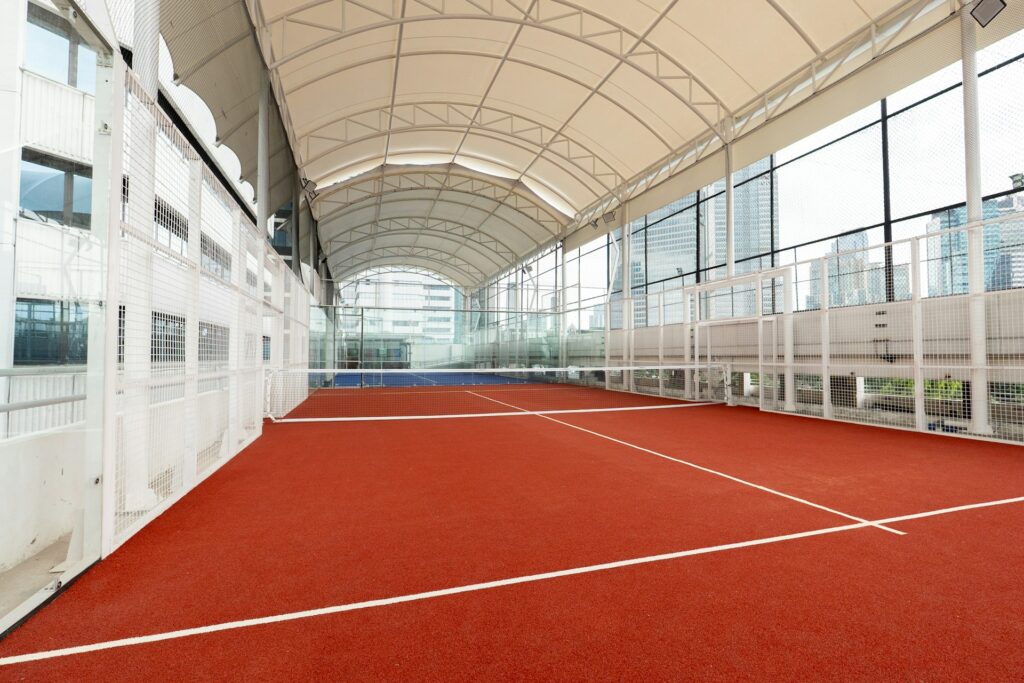
First, let us look at the playing surface. A traditional hardcourt is very large and completely open. Conversely, padel is played inside a much smaller, enclosed space.
Because of this, many people describe it as an indoor tennis game with walls. Honestly, the glass completely changes the geometry of the game. For example, if a passing shot flies by you, the point is not over. Instead, you can simply let it bounce and play it right off the back wall.
2. The Rackets and the Balls
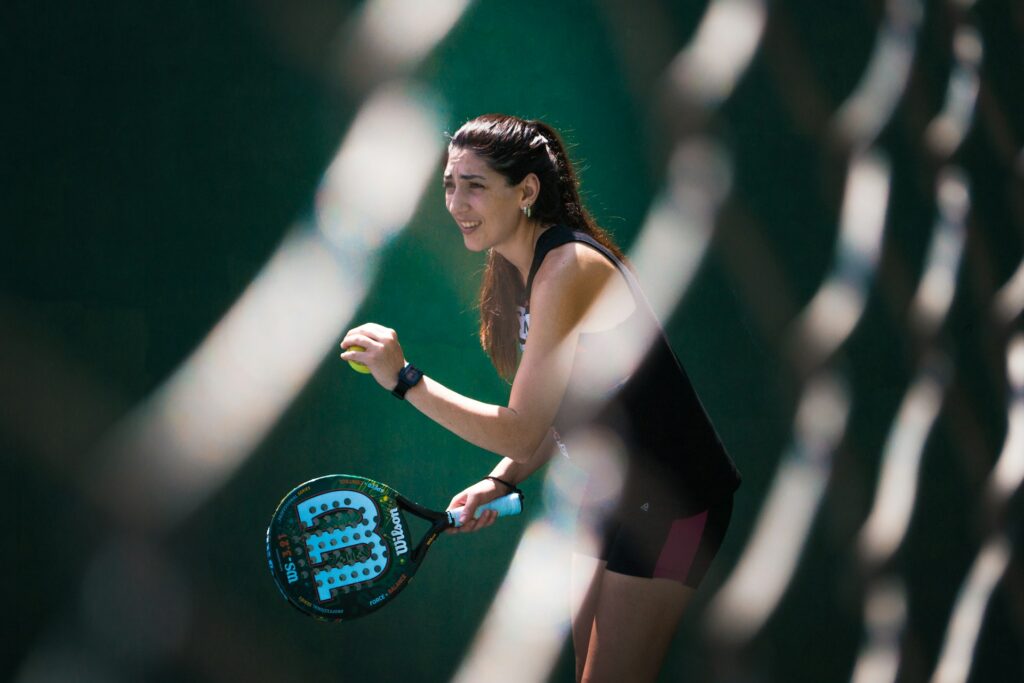
Next, we need to discuss the gear. Obviously, traditional rackets use tight strings to generate massive power. However, padel tennis requires a solid, perforated paddle instead.
Usually, these rackets are made of carbon fiber or soft foam. You can easily find the best racket for your play style right at our pro shop. Plus, the ball is slightly different. While it looks identical to a standard yellow ball, it actually has lower internal pressure. Consequently, the game moves at a slightly slower, much more manageable pace.
3. The Underhand Serve
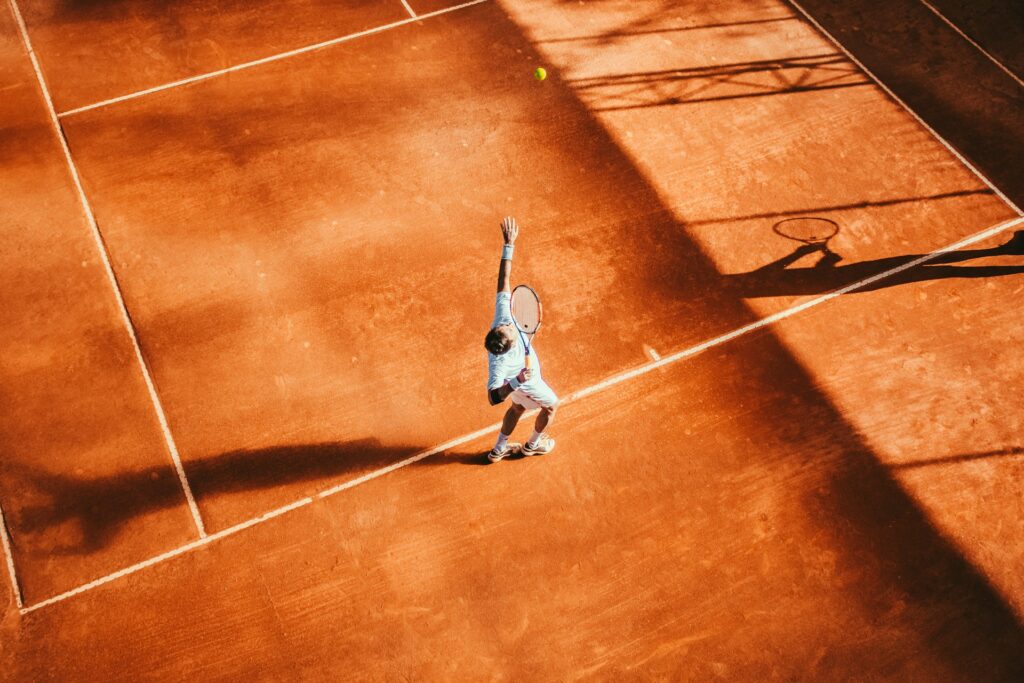
Furthermore, the serving rules are drastically different. In traditional matches, a booming overhand serve is a massive weapon. Many players win entire games on their serve alone.
But, you cannot do that here. Instead, you must always serve underhand at waist level. Therefore, the serve is not used to hit immediate winners. Rather, it is simply a strategic way to start the point so you can rush the net. As a result, there are very few double faults, and rallies last much longer.
4. Strategy Over Raw Power
Finally, the overall strategy is uniquely fascinating. On a standard hardcourt, raw power often wins the match. However, hitting the ball too hard can actually hurt you on the glass court.
If you smash the ball with maximum power, it will bounce off the back wall and give your opponents an easy setup. Thus, this sport is much more about patience, positioning, and clever angles. In fact, professional players often say that the game is like playing physical chess. You have to outsmart your opponents rather than just overpowering them.
Ready to Make the Switch?
If you love traditional racket sports, you will absolutely love the glass court. It takes everything great about doubles and adds a fast-paced, highly social element.