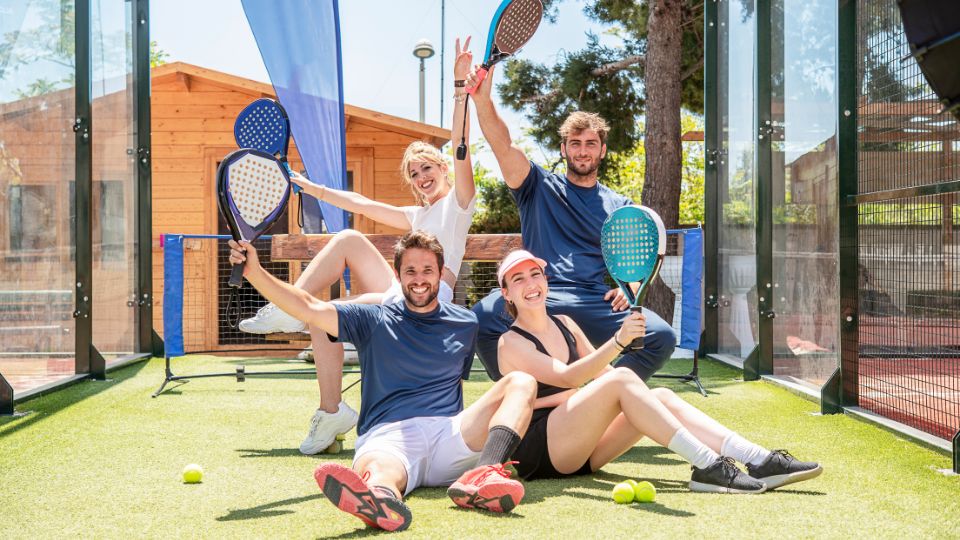

If you are an experienced tennis player, stepping onto a padel court for the first time usually feels amazing. You already possess excellent hand-eye coordination, you know how to volley, and your footwork is likely lightyears ahead of absolute beginners.
Because of this, tennis players tend to dominate their first few weeks on the padel turf. They hit hard, they move fast, and they win games purely through raw racket skills.
However, they almost always hit a wall once they start playing against experienced padel players.
While the two sports share visual similarities, traditional tennis and padel are fundamentally different games. Padel is a game of patience, geometry, and positioning. If you are currently transitioning from tennis to padel, your muscle memory is likely sabotaging your scoreboard. To help you level up your game, here are the three worst tennis habits you need to break immediately.
1. Using a Massive Baseline Backswing
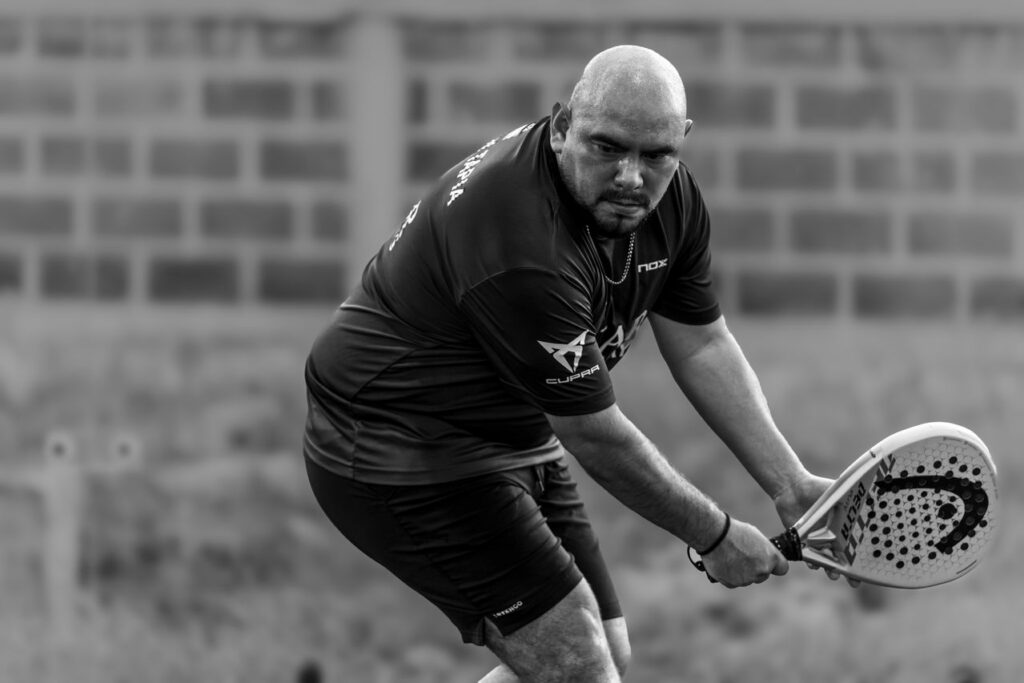
In tennis, power is generated from the baseline through long, looping backswings. You drop the racket head, step into the shot, and brush up the back of the ball to create heavy topspin.
If you bring that massive swing to the padel court, you are in for a frustrating match.
The padel court is significantly smaller, meaning the ball comes back to you much faster. While you are busy winding up for a huge forehand, the ball is already past your hip. Furthermore, padel rackets are made of solid EVA foam with zero strings. If you take a massive swing and make late contact, the ball will fly uncontrollably and smash directly into the back glass.
- The Fix: Shorten your preparation drastically. Think of your groundstrokes as “blocking” the ball rather than driving it. Keep your racket head up, use a compact punch, and rely on the natural trampoline effect of the racket’s core to generate your pace.
2. Trying to Hit Outright Winners
Tennis players love to finish points quickly. If they see an opening down the line, they will crush a flat winner past their opponent.
Unfortunately, trying to blast the ball past people simply does not work in padel. Because the court is enclosed, the glass walls constantly bring the ball back into play. If you smash a ball too hard from the back of the court, it will bounce on your opponent’s side, hit their back glass, and pop up perfectly for them to attack.
In padel, you are not trying to hit winners; you are trying to force errors. Hitting hard is actually a defensive liability unless you are perfectly positioned at the net.
- The Fix: Embrace the lob. In tennis, the lob is a desperation move. In padel, it is the most important shot in the game. Use high, deep lobs to push your opponents back, giving you time to claim the net. If you want to see this patience in action, watch any professional match on the Premier Padel tour—you will notice they build the point slowly instead of rushing the finish.
3. Fearing the Back Glass
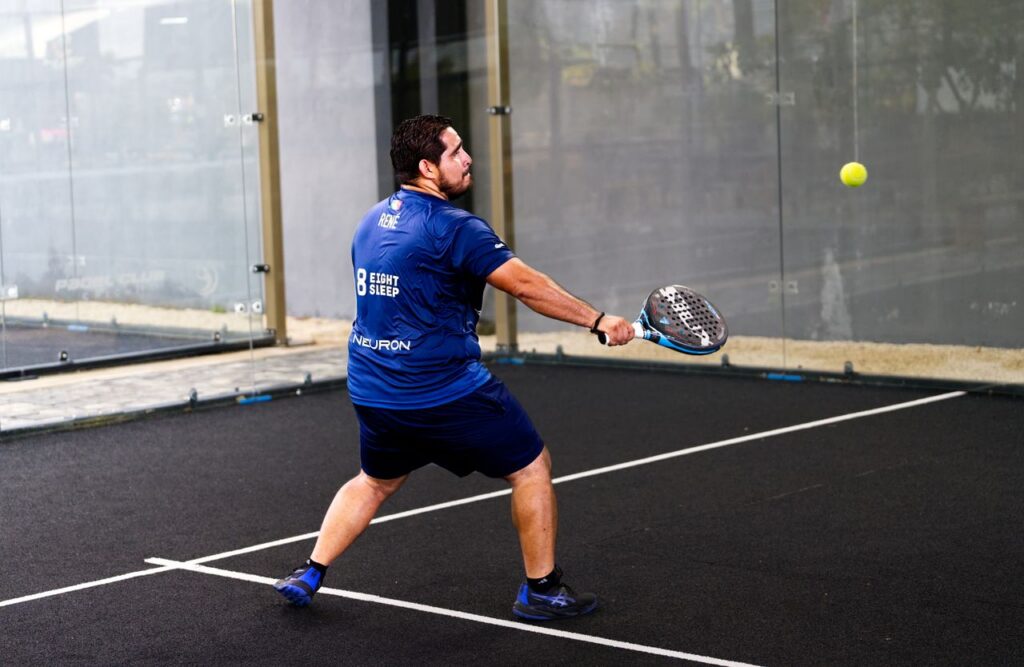
This is arguably the hardest psychological hurdle when transitioning from tennis to padel. On a tennis court, once the ball travels past your body, the point is over. Your brain is wired to lunge, dive, and do whatever it takes to hit the ball before it gets behind you.
On a padel court, letting the ball pass you is a fundamental defensive strategy.
When tennis players try to hit everything on the rise, they often find themselves trapped in “no man’s land” (the middle of the court) or hitting awkward, off-balance half-volleys right at their feet.
- The Fix: You have to learn to trust the glass. When your opponent hits a deep, fast shot, step out of the way. Let the ball hit the turf, bounce off the back glass, and slow down. Letting the ball rebound off the wall buys you valuable seconds to set your feet, prepare your racket, and hit a comfortable basic padel shot.
Ready to Master the Glass?
Transitioning between racket sports is a challenging but incredibly rewarding process. By shortening your swing, prioritizing patience over power, and making friends with the glass walls, you will transform your natural tennis talent into a deadly padel strategy.
Are you ready to test your new mindset on the turf? Gather your friends and come practice your patience on the best indoor courts in Utah County.