You might want a fast-paced indoor racket sport to keep you active year-round. Therefore, you have likely come across two popular options: padel and squash.
On the surface, it is easy to see why new players get these two sports confused. For example, both games take place inside enclosed courts with glass walls. In addition, both require fast reflexes. They also both provide an incredible fitness workout.
However, the similarities end once you step inside the glass. Clearly, the rules, the equipment, and the overall vibe of the games are completely different. Consequently, if you are debating padel vs squash, here are the core differences you need to know before buying a racket.
1. The Court Layout: Net vs Front Wall
The biggest difference between the two sports is the physical layout of the court.
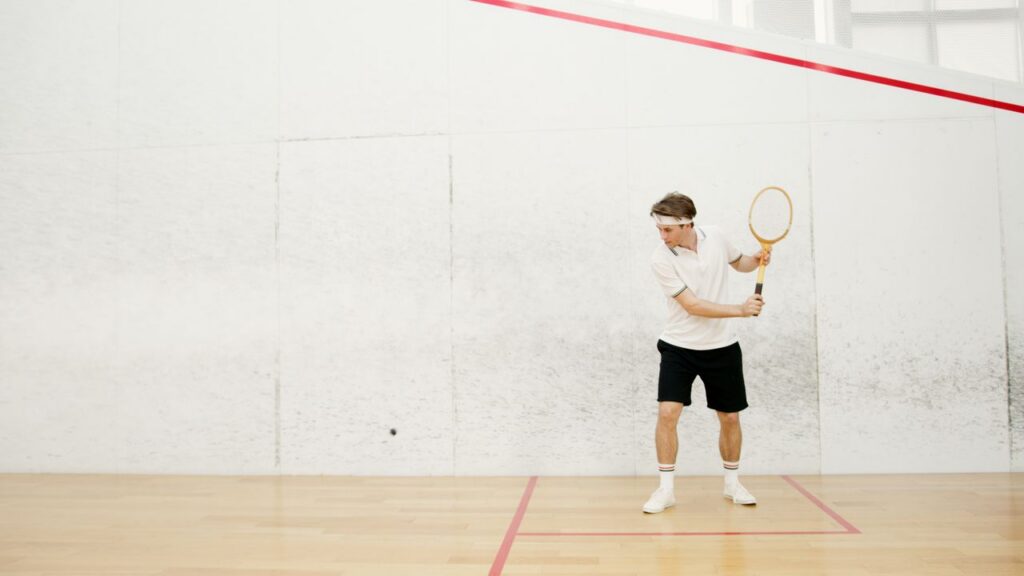
First, squash takes place in a fully enclosed room with no net. Both players stand side-by-side and face the same direction. Next, they take turns hitting a small rubber ball against a main front wall. The ball can bounce off the side and back walls. However, it must strike the front wall before hitting the floor.
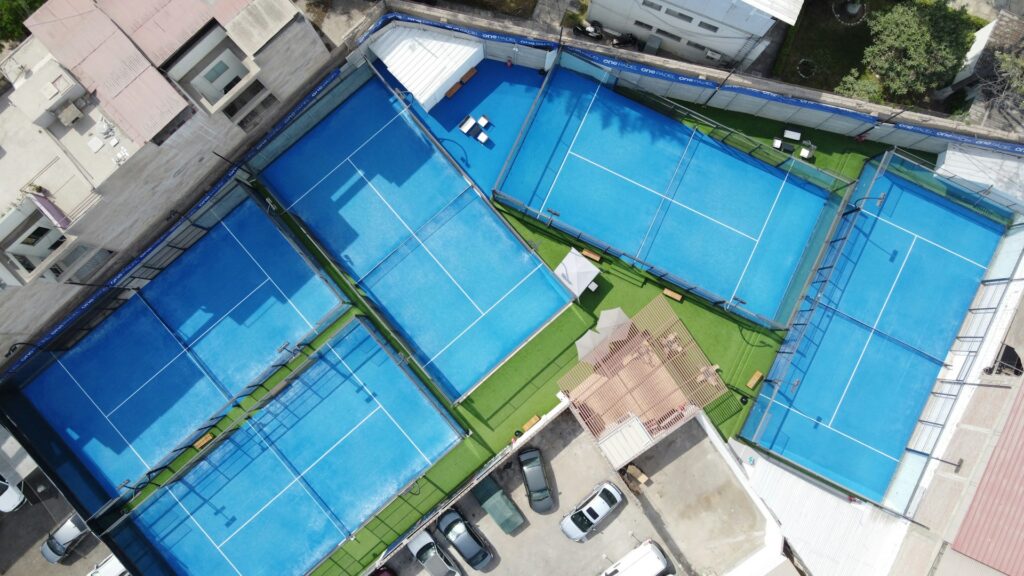
In contrast, padel plays much more like traditional tennis. A center net divides the court perfectly in half. Therefore, you stand on the opposite side of the net from your opponents. You can let the ball bounce off the glass walls on your side to keep the rally alive. Ultimately, you must hit the ball over the net into the opposing side.
2. Doubles vs Singles Format
Are you looking for a highly social hangout? Or do you want a hard solo workout? Certainly, your answer will help you choose between these sports.
By standard international rules set by the FIP, padel is played almost exclusively as a doubles sport. This means two players face off against two players. Because of this, the court is larger than a squash court but smaller than a tennis court. Playing with a partner is the only way to cover the space effectively. As a result, this setup makes it an incredibly social game where communication is vital.
On the other hand, squash is traditionally a singles sport played one-on-one. Both players share the exact same floor space during rallies. Furthermore, they are constantly dodging each other to get to the ball. Because of this, squash is a highly intense battle of individual stamina.
3. The Racket and the Ball
You cannot use a squash racket for a padel match. Clearly, the gear is entirely unique for each sport.
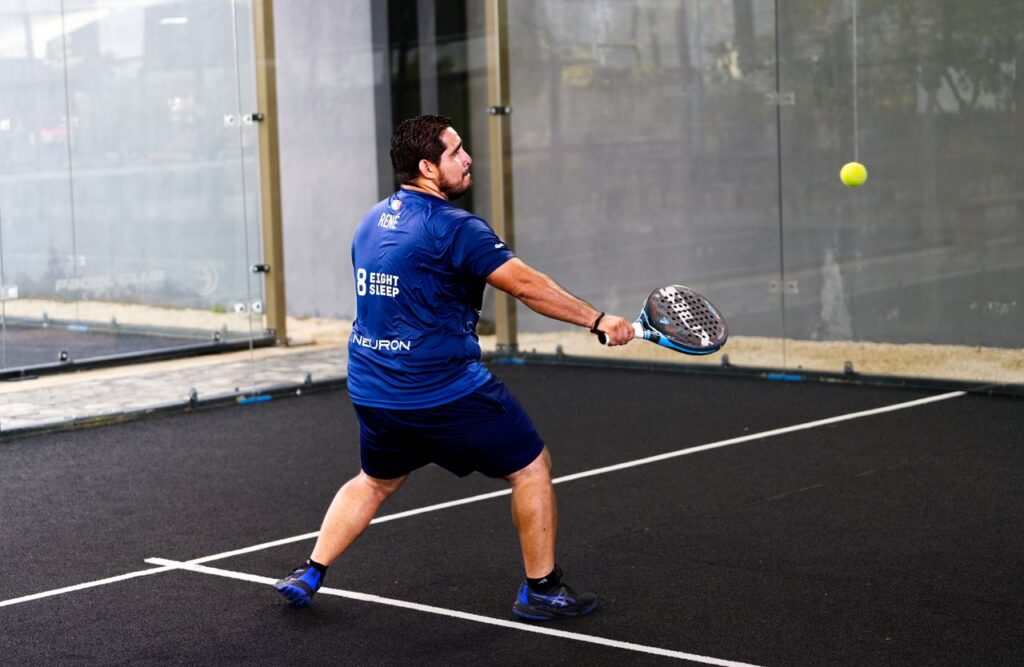
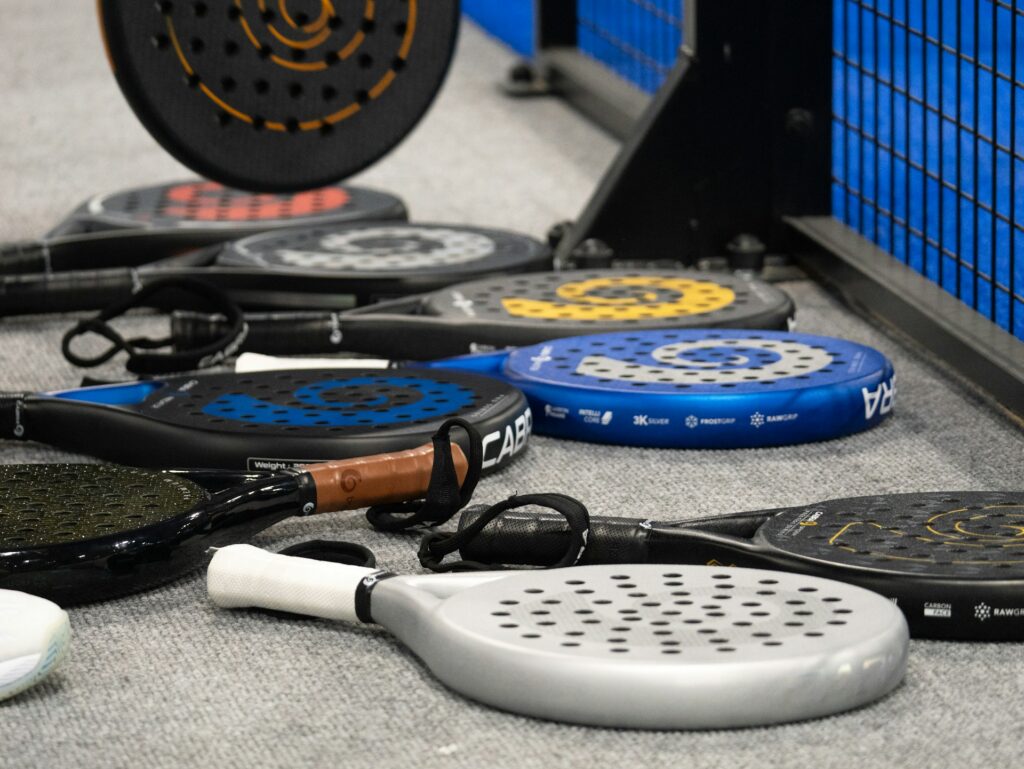
A squash racket looks like a stretched, skinny tennis racket with strings. However, a padel racket has no strings at all. It features a solid foam core covered in carbon fiber or fiberglass. In addition, small holes are drilled through the face to reduce air resistance.
The balls are also very different. For instance, squash uses a tiny, hollow rubber ball. It barely bounces until it warms up from the friction of your hits. Meanwhile, padel uses a ball that looks almost identical to a tennis ball. However, it has slightly lower pressure to keep the game controllable inside the glass walls.
4. The Learning Curve
Are you completely new to racket sports? If so, the learning curve might be your final deciding factor.
Squash is notoriously difficult for beginners to learn. For example, you have to master swinging the racket in a tight space. You also must share the floor safely with your opponent while chasing a dead rubber ball. Therefore, this combination requires a significant amount of early practice.
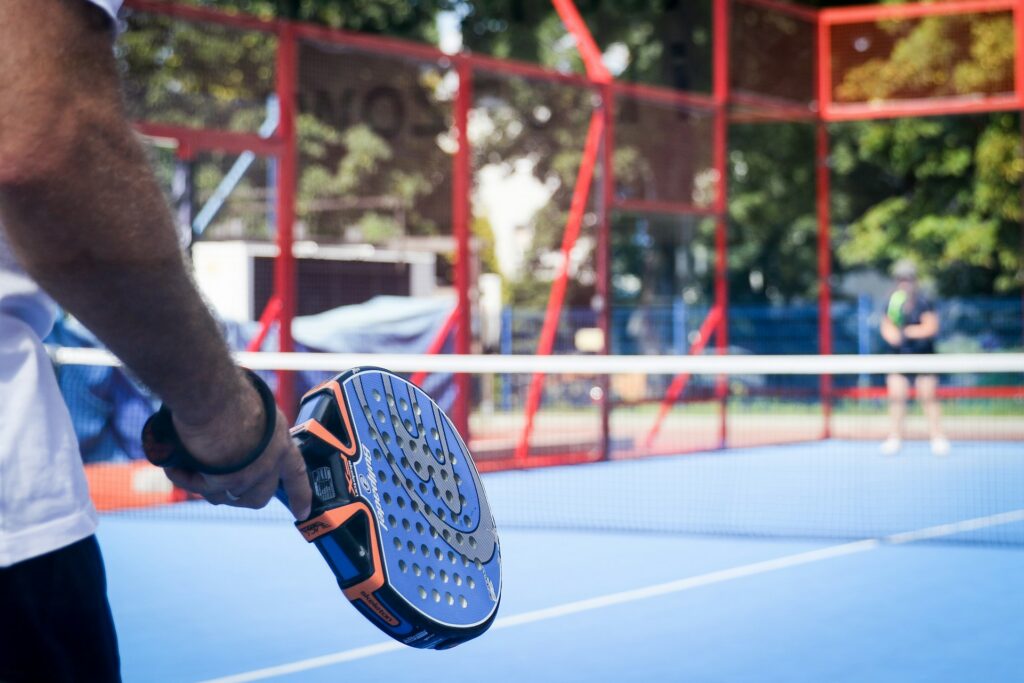
Fortunately, padel is widely considered the easiest racket sport in the world to pick up. The basic padel rules are incredibly simple. In addition, the solid racket sits close to your hand, which gives you excellent control. The ball also has a natural, predictable bounce. Consequently, most complete beginners can sustain long, fun rallies within their very first 20 minutes on the turf.
Try the World’s Fastest-Growing Sport
Both sports offer a fantastic workout. However, padel provides an excellent mix of social interaction, teamwork, and easy access. Therefore, you do not need years of training to have a blast on the blue turf.
Are you ready to see why millions of players are flocking to the glass courts? Then gather three friends and come experience the fun for yourself.